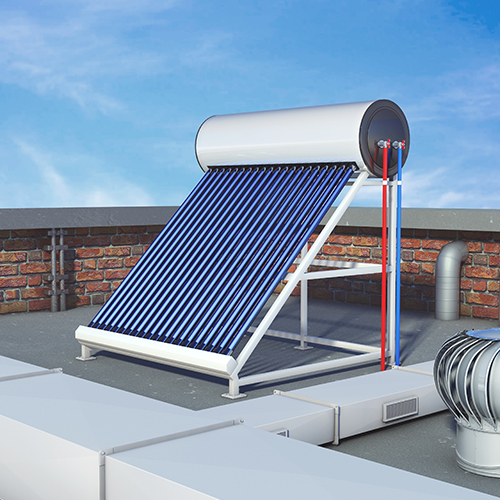
The demand for sustainable energy solutions has surged in India, as homeowners strive to embrace eco-friendly technologies while reducing electricity bills. Among the most popular choices for renewable energy systems in Indian homes are solar water heaters and rooftop solar panels. Both technologies utilize solar energy, but their applications vary, making it essential to evaluate which is better suited for your requirements. This article will delve into the features, benefits, costs, and drawbacks of solar water heaters and rooftop solar panels to help you make an informed decision.
Understanding Solar Water Heater Systems
A solar water heater is a device that uses sunlight to heat water for domestic purposes, like bathing, washing, or cooking. These systems are designed to replace traditional water heaters powered by electricity or gas, saving energy and reducing utility expenses. Solar water heaters come in two main types:
Flat Plate Collectors (FPC)
These involve a flat panel where sunlight is absorbed, heating the water. It’s suitable for moderate conditions.
Evacuated Tube Collectors (ETC)
These systems consist of vacuum tubes that efficiently absorb and retain heat, making them ideal for colder regions.
Advantages of Solar Water Heaters
- Energy Efficiency: Solar water heaters operate without consuming electricity, drastically cutting down energy bills.
- Cost Savings: While the upfront installation cost is high, the savings due to lower monthly utility bills make it a cost-effective investment in the long run.
- Low Maintenance: These systems require minimal maintenance efforts compared to traditional heaters.
- Environmentally Friendly: Since they run solely on solar energy, they help reduce carbon emissions, contributing to a greener future.
Limitations of Solar Water Heaters
- Performance might be affected during the monsoon or on cloudy days, reducing the availability of hot water.
- They work exclusively for water heating and cannot generate electricity.
- Initial costs, including installation and plumbing adjustments, can be a hurdle for some households.
Understanding Rooftop Solar Panels
Rooftop solar panels, or solar photovoltaic (PV) systems, are designed to generate electricity by converting sunlight into electrical energy. These versatile systems can power a wide range of home appliances and lighting systems, making them suitable for energy-conscious homeowners interested in reducing electricity dependency. Rooftop solar panels typically come in two types:
On-Grid Systems
Connected to the power grid, allowing you to use grid electricity during shortages or to feed excess solar power back into the grid.
Off-Grid Systems
Stand-alone systems equipped with batteries for energy storage, ideal for areas with unreliable electricity supply.
Advantages of Rooftop Solar Panels
- Energy Independence: They allow homeowners to reduce dependency on conventional electricity and enjoy uninterrupted power supply.
- Flexibility: Rooftop solar panels can power various gadgets and systems, including fans, lights, refrigerators, and air conditioners.
- Government Subsidies: In India, the government offers subsidies and financial incentives for households to adopt rooftop solar systems.
- Reduction in Electricity Bills: A rooftop solar system can significantly lower monthly electricity expenses, especially in homes with high energy consumption.
Limitations of Rooftop Solar Panels
- The initial installation cost is high due to expensive components, such as solar panels, inverter, and batteries (for off-grid systems).
- Rooftop panels require a functional design and sufficient rooftop space for optimal installation.
- Like solar water heaters, they might not perform as efficiently in areas with low sunlight exposure.
Solar Water Heater vs Rooftop Solar Panels: Key Comparison Factors
1. Primary Functionality
- Solar water heaters are specialized devices solely for heating water.
- Rooftop solar panels, on the other hand, generate electricity, which can be used for multiple household needs.
2. Cost of Installation
- Solar water heaters have relatively lower initial installation costs compared to rooftop solar systems. These heaters range between ₹20,000–₹50,000 based on capacity and type.
- Rooftop solar panels, especially off-grid systems with batteries, can cost ₹75,000–₹2,00,000 or more, depending on capacity and type.
3. Long-term Savings
- Both systems provide long-term savings by utilizing free solar energy, but rooftop solar panels have a broader impact, slashing electricity bills across all uses.
- Solar water heaters save costs associated with heating water, which is a major expense in Indian households.
4. Space Requirement
- Solar water heaters require smaller space and are usually installed near the bathroom or kitchen.
- Rooftop solar panels require ample space on the roof to optimize sunlight exposure, which might be a limiting factor for smaller buildings or buildings with shaded rooftops.
5. Maintenance
- Both systems require minimal maintenance, but rooftop solar panels require periodic cleaning and occasional servicing to ensure uninterrupted power generation.
- Solar water heaters need infrequent descaling and repairs, especially in areas with hard water.
6. Suitability for Indian Homes
- Solar water heaters are ideal for homes with high hot water usage and regions with a warm climate and abundant sunlight.
- Rooftop solar panels are better suited for households aiming for energy independence and those with larger rooftops and higher overall electricity consumption.
Which Should You Choose?
Deciding between a solar water heater and rooftop solar panels depends on your household’s needs and budget. If reducing hot water heating costs is your primary goal, then a solar water heater is an excellent choice. It is cost-efficient for regions with consistent sunlight and can drastically lower water heating expenses.
Conversely, if you aim to decrease overall electricity bills, power multiple appliances, and enjoy energy independence, rooftop solar panels emerge as the better option. They might involve higher initial investment, but the long-term benefits outweigh the costs. With the government’s subsidy programs and net metering schemes in India, these systems become even more affordable and appealing.
Conclusion
Both solar water heaters and rooftop solar panels are vital contributors to the renewable energy transition in Indian homes. While solar water heaters specialize in heating water, rooftop solar panels offer more versatility by generating electricity for varied uses. Ultimately, your decision should depend on your household’s energy requirements, available budget, and rooftop space. For homes focused on cutting hot water expenses, solar water heaters are preferable. On the other hand, for broader energy savings and independence, rooftop solar panels are the superior option.
By adopting either system, Indian homeowners not only pave the way for sustainable living but also contribute significantly to the nation’s renewable energy goals. Choose wisely, and let the power of the sun brighten your home!