Gastric bypass is a commonly performed weight loss procedure for people living with obesity and related health conditions. While surgery may support weight loss, maintaining long-term results usually depends on healthy habits after recovery. Many individuals considering gastric bypass surgery in cities like Delhi focus mainly on the procedure itself, but lifestyle changes after surgery are equally important. Balanced eating habits, regular physical activity, proper hydration, and ongoing medical follow-up all play an important role in supporting long-term well-being and helping patients maintain healthier routines after recovery.
Understanding Changes After Gastric Bypass
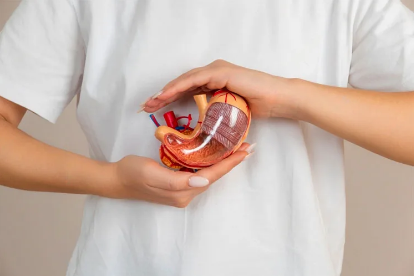
Gastric bypass changes the way the digestive system processes food. The stomach becomes smaller, which means patients generally feel full after eating smaller portions. The surgery also affects how the body absorbs calories and nutrients during digestion and recovery.
During the first few months after surgery, patients may notice fast weight loss, changes in appetite, and differences in digestion. Adjusting to these physical changes often takes time. Long-term success usually depends on following healthy habits consistently and regular medical follow-up appointments.
Building Healthy Eating Habits
Diet plays an important role in recovery and long-term weight management after gastric bypass surgery. Patients are generally encouraged to follow balanced eating patterns, maintain portion control, and develop mindful eating habits that support better digestion and healthier food choices after recovery.
Some dietary practices that may support recovery include:
- Portion Control: Eating smaller meals may help prevent discomfort and support smoother digestion.
- Protein Intake: Protein-rich foods such as eggs, lentils, fish, and low-fat dairy products may help maintain muscle strength during weight loss.
- Slow Eating: Chewing food properly and eating slowly may reduce stomach discomfort after meals.
- Food Choices: Limiting sugary and highly processed foods may support healthier eating patterns and digestion.
Following these eating practices consistently may help patients maintain healthier routines and support long-term weight management after surgery.
Hydration and Nutritional Balance
Hydration and nutritional balance remain important after gastric bypass surgery because the body absorbs food and nutrients differently after the procedure. Patients are usually advised to maintain regular fluid intake and follow medical guidance carefully to support balanced recovery and overall well-being.
Some hydration and nutrition practices may include:
- Regular Fluid Intake: Drinking water consistently between meals may help reduce the risk of dehydration.
- Avoiding Sugary Drinks: Limiting fizzy and sugary beverages may support digestive comfort and weight management.
- Vitamin Support: Doctors may recommend vitamin and mineral supplements to help maintain nutritional balance after surgery.
- Monitoring Nutrient Levels: Regular blood tests may help identify nutritional deficiencies at an early stage.
Following these practices consistently supports recovery, helps maintain energy levels, and reduces the risk of nutritional deficiencies over time.
Physical Activity for Long-Term Weight Management
Regular physical activity can support weight management, muscle strength, and overall health after gastric bypass surgery. Most patients begin with gentle movement during recovery and gradually increase activity levels over time to build healthier and more sustainable lifestyle habits after surgery.
Suitable forms of exercise may include:
- Walking: Helps improve circulation and supports gradual recovery after surgery.
- Swimming: Offers low-impact movement that may be easier on the joints.
- Cycling: May help improve endurance and support cardiovascular health.
- Strength Exercises: Light strength training may help maintain muscle strength during weight reduction.
Maintaining consistent physical activity over time may help patients support long-term weight management and improve overall physical well-being after surgery.
Managing Emotional and Behavioural Changes
Weight loss after gastric bypass surgery may also bring emotional and behavioural changes during recovery. Some individuals may notice changes in confidence, eating habits, or social interactions as they gradually adjust to lifestyle changes after surgery and recovery.
Emotional eating patterns that existed before surgery may continue if they are not recognised early. Support from healthcare professionals, family members, or counselling services may help patients manage emotional well-being and develop healthier coping habits during long-term recovery.
Patients should also understand that temporary slowdowns in weight loss are common during recovery. Maintaining steady lifestyle habits is often more important than focusing only on short-term changes in weight or physical appearance after surgery.
Importance of Regular Medical Follow-Up
Regular follow-up appointments remain important after gastric bypass surgery because recovery continues long after the initial procedure. These visits help doctors monitor nutritional health, digestion, recovery progress, and overall well-being throughout different stages of long-term recovery after surgery.
People undergoing gastric bypass surgery in Delhi or any other cities are generally advised to remain in regular contact with their healthcare team after recovery. Ongoing medical guidance helps patients manage nutritional balance, track weight changes, and maintain healthier lifestyle habits safely over the long term.
Conclusion
Life after gastric bypass involves gradual and lasting lifestyle adjustments rather than temporary changes. Healthy eating habits, regular hydration, physical activity, emotional well-being, and medical follow-up all contribute to long-term success after surgery. While the procedure may support significant weight loss, maintaining those results depends on consistent daily habits and ongoing medical guidance. A balanced routine, regular monitoring, and realistic lifestyle changes are key to supporting long-term recovery and overall well-being.