Discover why businesses outsource quality embroidery digitizing service to save time, improve stitch quality, and boost embroidery production.
Discover why businesses outsource quality embroidery digitizing service to save time, improve stitch quality, and boost embroidery production.
Outsource Quality Embroidery Digitizing Service
Running an embroidery business sounds exciting until deadlines pile up, machines stop mid-production, and designs refuse to stitch cleanly.
That’s when many embroidery shops realize an important truth: great embroidery starts with great digitizing.
Digitizing is the backbone of machine embroidery. Even the best embroidery machine cannot fix a poorly digitized design. That’s why more businesses now outsource quality embroidery digitizing service instead of handling everything in-house.
Whether you manage a commercial embroidery shop or sell custom apparel online, outsourcing digitizing can save time, reduce stress, and improve embroidery quality.
In this guide, you’ll learn why outsourcing embroidery digitizing makes sense, what benefits it offers, and how professional digitizing services help embroidery businesses grow faster.
What Is Embroidery Digitizing?
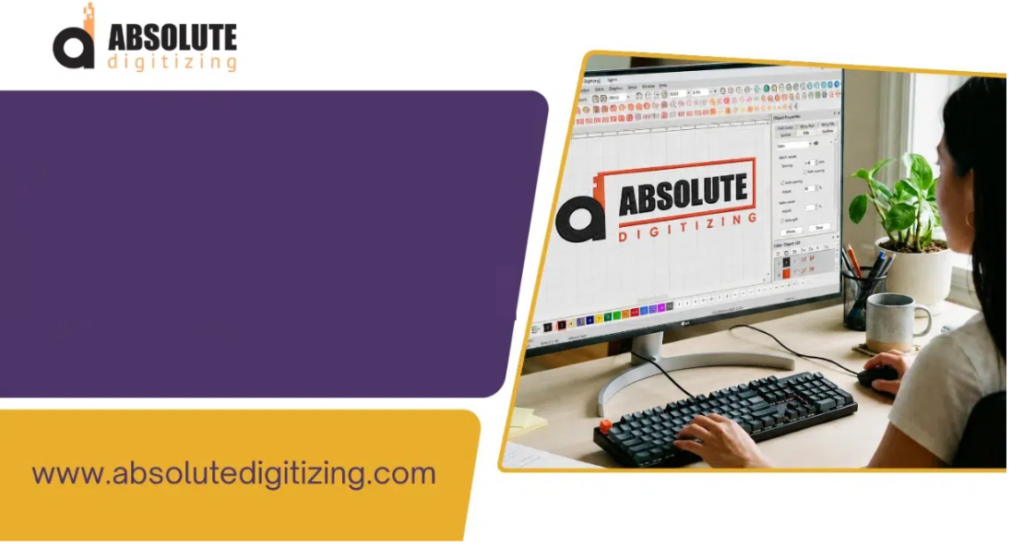
Embroidery digitizing is the process of converting artwork into a machine-readable embroidery file.
The file contains:
- Stitch paths
- Thread directions
- Stitch density
- Underlay settings
- Machine instructions
Embroidery machines cannot read regular image files like JPG or PNG directly. They need properly digitized embroidery files to stitch designs correctly.
Why Digitizing Matters So Much
Imagine building a house on a weak foundation. No matter how beautiful the house looks, problems will appear later.
Embroidery works the same way.
Poor digitizing can cause:
- Thread breaks
- Fabric puckering
- Uneven stitching
- Misaligned designs
- Production delays
Good digitizing creates smoother stitching and cleaner embroidery results.
Why Businesses Outsource Quality Embroidery Digitizing Service
Many embroidery businesses start by digitizing designs themselves. Over time, however, production demands increase.
Outsourcing becomes a smarter solution.
Saves Valuable Time
Digitizing detailed embroidery designs takes skill and patience.
By outsourcing, businesses can:
- Focus on customers
- Handle more orders
- Improve production speed
- Reduce workload pressure
Instead of spending hours editing stitch paths, shops can concentrate on embroidery production and business growth.
Improves Embroidery Quality
Professional digitizers understand:
- Stitch behavior
- Fabric movement
- Density balance
- Pull compensation
- Underlay techniques
This expertise helps designs stitch cleaner and more efficiently.
At Absolute Digitizing, embroidery files are carefully prepared to improve machine performance and reduce production issues.
Reduces Production Errors
Bad embroidery files often lead to:
- Machine stops
- Thread trimming issues
- Design distortion
- Wasted garments
Outsourcing quality digitizing helps minimize these costly mistakes.
Faster Turnaround for Customers
Customers expect quick delivery.
Professional embroidery digitizing services help businesses:
- Meet deadlines
- Handle rush orders
- Improve customer satisfaction
Faster production creates better client relationships.
Signs You Should Outsource Embroidery Digitizing
Not sure if outsourcing is right for your business? Here are some common signs.
You’re Spending Too Much Time Editing Designs
Constantly fixing stitch issues can slow down production.
Your Machines Stop Frequently
Frequent thread breaks often point to poor digitizing.
Customers Complain About Stitch Quality
Uneven embroidery usually starts with weak design preparation.
You’re Growing Quickly
More orders mean more production pressure. Outsourcing helps scale operations smoothly.
What Makes a Good Embroidery Digitizing Service?
Not all digitizing services deliver the same quality.
Here’s what to look for.
Clean Stitch Pathing
Efficient stitch sequencing improves embroidery speed and reduces trims.
Proper Density Control
Balanced density prevents bulky embroidery and thread breaks.
Fabric Knowledge
Different fabrics require different digitizing approaches.
For example:
- Caps need special push-pull adjustments
- Stretch fabrics require lighter density
- Towels need stronger underlay
Quick Communication
Fast revisions and clear communication help projects move smoothly.
Benefits of Professional Digitizing for Embroidery Shops
Outsourcing isn’t just about convenience. It directly affects profitability.
Better Machine Efficiency
Optimized embroidery files reduce machine downtime.
Lower Thread Waste
Efficient stitch paths use thread more effectively.
Improved Design Consistency
Professional digitizing creates reliable embroidery results across different garments.
Easier Scaling
As your business grows, outsourcing helps handle larger production volumes without hiring extra staff.
Common Mistakes Businesses Make
Some embroidery businesses hesitate to outsource because they think it increases costs.
In reality, poor digitizing often costs more through:
- Wasted materials
- Production delays
- Customer complaints
- Machine wear
Trying to save money with low-quality digitizing usually creates bigger problems later.
How Professional Digitizing Supports Different Embroidery Projects
Different embroidery styles require different techniques.
Cap Embroidery
Requires center-out stitching and proper compensation.
Left Chest Logos
Need clean satin stitching and balanced density.
Jacket Back Designs
Large designs require careful stitch sequencing.
3D Puff Embroidery
Requires foam-friendly digitizing methods.
Professional digitizers adjust files based on the final product type.
Tips Before Sending Artwork for Digitizing
You can improve results by preparing artwork properly.
Send High-Quality Artwork
Best file formats include:
- AI
- EPS
- SVG
- High-resolution PNG
Mention Fabric Type
Fabric affects stitch settings and density.
Share Design Size
Embroidery size changes stitch behavior.
Explain Placement
Cap logos and shirt logos require different digitizing approaches.
Why Outsourcing Helps Small Businesses Compete
Small embroidery businesses often compete with larger production shops.
Outsourcing quality digitizing helps level the playing field.
Benefits include:
- Professional embroidery quality
- Faster production
- Better customer experience
- Reduced stress
- More time for business growth
This allows smaller shops to operate more efficiently without massive overhead costs.
The Future of Embroidery Digitizing
Modern embroidery continues evolving with:
- Advanced stitch effects
- 3D embroidery
- Complex textures
- Multi-layer designs
Professional digitizing is becoming even more important as embroidery technology grows more sophisticated.
Businesses that invest in quality digitizing today position themselves for long-term success.
Conclusion
Choosing to outsource quality embroidery digitizing service can dramatically improve embroidery production, stitch quality, and overall business efficiency.
Instead of struggling with thread breaks, poor stitch flow, and production delays, outsourcing allows embroidery businesses to focus on what matters most — serving customers and growing operations.
Professional digitizing creates cleaner embroidery, smoother machine performance, and more reliable production results.
Whether you run a small embroidery startup or a busy commercial shop, partnering with an experienced digitizing provider like Absolute Digitizing can help you save time, reduce errors, and deliver better embroidery every time.
FAQs
What is embroidery digitizing?
Embroidery digitizing is the process of converting artwork into a stitch file that embroidery machines can read and stitch.
Why should I outsource embroidery digitizing?
Outsourcing saves time, improves stitch quality, reduces production errors, and helps embroidery businesses scale more efficiently.
Can poor digitizing damage embroidery quality?
Yes. Poor digitizing can cause thread breaks, puckering, uneven stitching, and machine performance issues.
What file formats are best for embroidery digitizing?
Vector formats like AI, EPS, and SVG usually provide the cleanest artwork for digitizing.
Does professional digitizing reduce thread breaks?
Yes. Proper stitch sequencing and balanced density help embroidery machines run more smoothly with fewer interruptions.