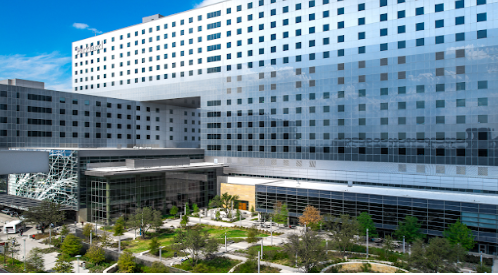
Construction projects in Dallas require clear and detailed visuals to track progress and support marketing efforts. The right tools help photographers capture large sites, structural details, and changing conditions. Choosing the right equipment for Dallas construction photography ensures consistent results, better image quality, and a more efficient workflow across different stages of a project.
Why the Right Equipment Matters?
Construction environments include dust, movement, and uneven lighting, and photographers need to capture both wide scenes and fine details. Reliable equipment improves stability, accuracy, and clarity. Therefore, when professionals use the right tools for construction photography, they can work efficiently while maintaining high-quality output.
Essential Equipment for Construction Photography
The following tools form the foundation for capturing accurate and consistent construction visuals:
Full-Frame Camera
A full-frame camera captures high-resolution images with better detail. It performs well in low-light conditions, which are common in construction sites. This type of camera helps photographers maintain clarity across different lighting situations.
Wide-Angle Lens
A wide-angle lens allows photographers to capture large structures and confined spaces. It works well for both exterior and interior shots. This lens helps show the full scale of construction projects without missing key elements.
Tilt-Shift Lens
Buildings often appear tilted in standard shots, especially when photographed from ground level. A tilt-shift lens helps control perspective and prevent distortion by keeping the lines straight and improving the overall composition of structural images.
Tripod
A tripod provides stability, especially during long-exposure shots or in low-light conditions. It reduces camera shake and ensures sharp images. On construction sites, where surfaces may be uneven, a sturdy tripod supports consistent results.
Drones
Drones help capture aerial views of large construction sites, showing layout, progress, and surrounding areas from above. Aerial visuals add value to both documentation and marketing by providing a broader perspective.
Lighting Equipment
Lighting tools help manage shadows and dark areas, especially in indoor or covered sections. Portable lights or flashes improve visibility and ensure balanced exposure, allowing photographers to capture details that natural light may miss.
Filters like Polarizers
Filters such as polarizers reduce glare from glass and metal surfaces. Neutral density filters help control exposure in bright outdoor conditions. These tools help photographers maintain consistent image quality across different environments.
Remote Shutter or Trigger
A remote shutter reduces camera movement during shooting. It helps capture sharper images, especially when using a tripod, and is extremely useful in situations that require precision and steady framing.
Additional Tools That Improve Workflow
Along with the core equipment mentioned above, there are a few more supporting tools that improve efficiency and reliability during shoots.
- Extra batteries to handle long shooting hours
- High-capacity memory cards for storing large image files
- Protective gear to ensure safety on active sites
- Editing software to refine and organize final images
These tools support both the shooting process and post-production work.
Conclusion
Choosing the right equipment plays a key role in delivering high-quality construction visuals. Each tool supports a specific need, from capturing wide views to managing lighting and stability. When professionals invest in reliable gear for Dallas construction photography, they improve both efficiency and output. Strong equipment choices lead to clearer documentation and more effective project presentation.