Life at sea is unlike any other career. From massive container vessels to specialised offshore units, working on maritime ships offers a mix of adventure, responsibility, technical skill, and personal growth. While every ship operates differently, they all share one thing in common: they depend on skilled seafarers who keep global trade moving.
Today, platforms like Navicater are helping seafarers share real experiences, connect with peers through a seafarer forum, and better navigate their maritime careers. It’s good news for those considering a career at sea or those already sailing – understanding what life is really like on different ships can help you prepare for the challenges and opportunities ahead.
Container Ships: Fast-Paced and Highly Structured
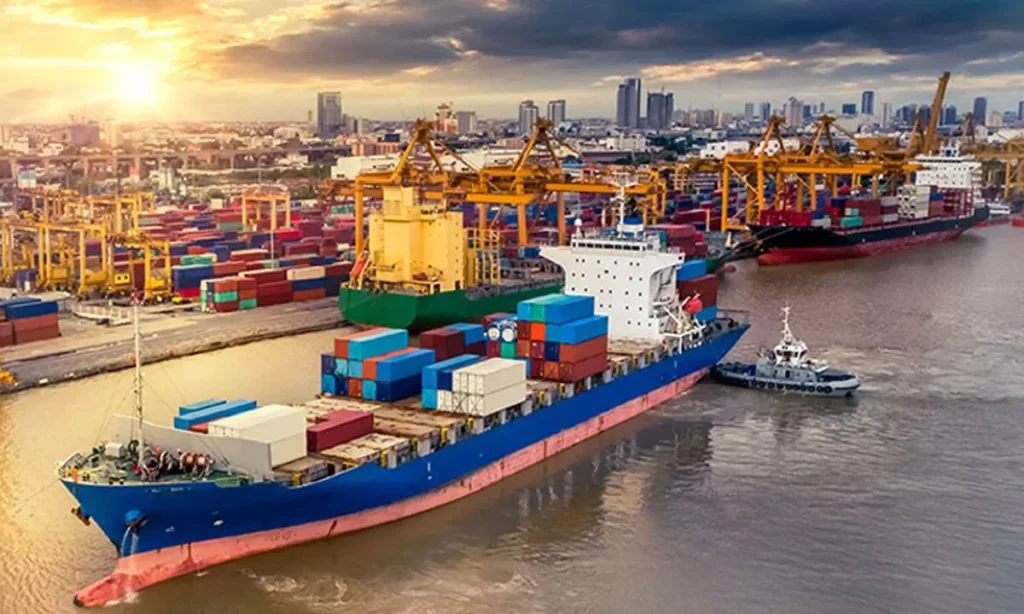
Container ships are among the most common maritime ships in operation today. These ships transport everything from electronics to clothing across continents, often operating on tight schedules.
Life onboard is highly organised. Deck crews manage cargo operations, maintenance, and navigation, while engine crews ensure propulsion systems run efficiently. Because of very short turnaround times in ports, crews operate on limited shore leave. However, container ships offer valuable experience in cargo handling, navigation systems, and international operations. For many seafarers, they are the starting point of a long and rewarding career.
Tankers: Precision and Responsibility
Oil and chemical tankers demand a higher level of technical awareness and safety discipline. These maritime ships transport hazardous cargo, and strict operational procedures must be followed at all times.
Crew members receive specialised training to manage cargo systems, monitor safety equipment, and prevent environmental risks. Every operation, from loading to discharge, requires careful coordination. This makes working on tankers challenging, but it also builds strong technical expertise. Many experienced seafarers consider tanker experience highly valuable for career advancement.
Cruise Ships: Service Meets Seamanship
Cruise ships offer a completely different environment compared to cargo vessels. In addition to navigation and engineering crews, these ships also employ hospitality staff, entertainment teams, and service professionals.
Working on cruise ships means interacting with passengers regularly, maintaining high service standards, and operating in a fast-paced hospitality environment. While contracts can be demanding, cruise ships provide opportunities to travel extensively and develop a wide range of skills.
Offshore Vessels: Technical and Dynamic
Offshore vessels support oil rigs, wind farms, and subsea operations. These vessels often operate in challenging environments and require strong teamwork.
Roles onboard may include dynamic positioning operations, equipment handling, and offshore support tasks. Offshore vessels offer excellent technical experience and exposure to specialised maritime operations.
Seafarers working in offshore sectors often rely on Navicater to connect with others in similar roles and discover career opportunities within this growing segment of the maritime industry.
The Reality of Life Onboard
Regardless of vessel type, working on ships comes with both rewards and challenges.
The Rewards
One of the biggest advantages is the opportunity to travel the world. Seafarers visit ports across continents and experience different cultures. There is also a strong sense of camaraderie. Living and working together for months creates deep professional and personal bonds.
Financially, working at sea is as profitable as it is wholesome. With accommodation and meals provided, many seafarers are able to save money and support their families. Navicater enhances this experience by offering a seafarer forum where crew members can stay connected with the maritime community, even while at sea.
The Challenges
Life at sea can also be physically and emotionally demanding. Long working hours, shift schedules, and time away from family require resilience. Communication with loved ones may be limited depending on connectivity. This makes adapting to life onboard time-consuming, with a need for strict discipline and mental strength.
Through Navicater, seafarers can share coping strategies, seek advice, and find support from others who understand these challenges.
How Navicater Supports Seafarers Across All Ship Types
Navicater was created by seafarers who understood the need for better connection, knowledge sharing, and career support.
Its seafarer forum allows maritime professionals to:
- Share onboard experiences
- Learn about different vessel types
- Connect with mentors and peers
- Discover career opportunities
- Access port insights and operational knowledge
More Than Just a Job, A Way of Life
Working on maritime ships is a lifestyle that builds skills, character, and a global perspective.
Each vessel type offers unique experiences, challenges, and opportunities. With the support of platforms like Navicater and its growing digital community, maritime professionals no longer have to navigate their careers alone.
Because in today’s connected maritime world, the best journeys are the ones shared.