Surface finishing plays a crucial role in enhancing both the appearance and performance of aluminium used across industrial and architectural applications. Among the most widely used techniques, bright anodized aluminum stands out for its durability, corrosion resistance, and refined metallic finish. This process enhances the natural properties of aluminum while also providing long-term protection.
Aluminum, in its raw form, is already valued for its lightweight strength, but surface treatments significantly extend its usability in demanding environments. Finishing technologies ensure that aluminium components perform efficiently while maintaining a visually appealing surface across various applications.
Understanding Aluminium Surface Enhancement Techniques
Surface finishing is the process of modifying the outer layer of aluminum to enhance its resistance, texture, and appearance. These treatments are widely used in construction, automotive, aerospace, and consumer product industries.
Different finishing techniques serve different purposes, depending on the required application. Some enhance durability, while others focus on aesthetics or resistance to wear and corrosion.
Common Finishing Methods Used in Aluminium
- Mechanical polishing for smooth reflective surfaces
- Chemical treatments for cleaning and preparation
- Powder coating for protective layering
- Electrochemical processes for anodized finishes
Each method contributes uniquely to improving aluminium performance and extending its service life in diverse conditions.
Role of Anodizing in Aluminium Performance
Anodizing is one of the most reliable surface treatment processes for strengthening aluminum components. It creates a protective oxide layer that improves resistance to corrosion, abrasion, and environmental damage.
In many industrial applications, anodizing is preferred because it enhances both functionality and appearance without compromising the metal’s natural properties.
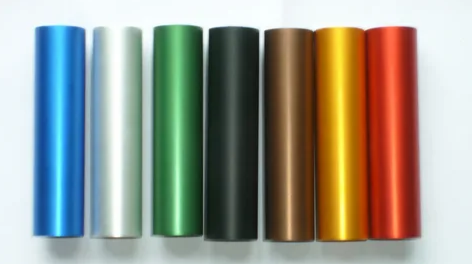
The use of bright anodized aluminum ensures a polished and reflective finish that is especially valuable in architectural designs, interior systems, and decorative components.
Benefits of Advanced Surface Finishing Technologies
Surface finishing technologies significantly improve aluminium performance by enhancing both mechanical and visual qualities. These benefits extend across multiple industries where durability and design precision are essential.
Key Performance Improvements
- Increased resistance to corrosion and oxidation
- Improved surface hardness and durability
- Enhanced aesthetic appeal with uniform finish
- Better performance in extreme environmental conditions
These improvements make aluminium a preferred material for long-term structural and decorative applications.
Applications in Industrial and Architectural Systems
Surface-treated aluminium is widely used in environments where both performance and appearance are important. The combination of strength and refined finishing allows aluminium to be used in complex engineering and design systems.
One of the most common applications includes structural frameworks and decorative installations where surface quality directly impacts overall design output.
- Use in Structural Components
Surface finishing ensures that aluminium components maintain their integrity even under continuous load and exposure to environmental factors. This makes them suitable for industrial frameworks and architectural assemblies.
- Use in Design-Oriented Installations
Finished aluminium is also widely used in modern interiors, facade systems, and decorative panels where visual consistency is essential.
The demand for bright anodized aluminum continues to grow due to its ability to deliver both functional strength and premium appearance in these applications.
Importance of Precision in Surface Treatment Processes
Precision plays a key role in ensuring that aluminium surface treatments deliver consistent results. Even minor variations in process control can affect durability, finish quality, and performance.
Proper surface preparation before treatment ensures that coatings and anodized layers bond effectively with the aluminium base.
Critical Factors in Surface Treatment
- Controlled temperature during processing
- Accurate chemical composition in anodizing baths
- Proper cleaning and pre-treatment methods
- Uniform application of finishing layers
These factors ensure that aluminium components maintain consistent quality across production batches.
Advantages of Modern Finishing Technologies
Modern advancements in surface finishing have significantly improved the performance and usability of aluminium in industrial applications. These technologies focus on increasing efficiency while maintaining high-quality output.
Advanced systems allow manufacturers to achieve more consistent finishes with improved control over texture and color variations. The use of modern processes also enhances the lifespan of aluminium components, reducing maintenance requirements over time.
Enhancing Functional Value of Aluminium Components
Surface finishing not only improves appearance but also enhances the functional performance of aluminium in real-world applications. Treated surfaces reduce wear and improve resistance to harsh environmental conditions.
This makes aluminium suitable for long-term use in both indoor and outdoor environments where durability is essential.
Functional Improvements Achieved
- Extended product lifespan
- Reduced surface degradation
- Better resistance to moisture and chemicals
- Improved thermal stability
These benefits make aluminium a highly reliable material across multiple industries.
Role of Aluminium Sections in Engineering Systems
Aluminium sections are widely used in structural and mechanical systems due to their flexibility and strength. Surface finishing further enhances their usability by improving resistance and aesthetic consistency.
Properly treated components ensure smooth integration into complex assemblies where performance and appearance must align.
The use of anodized aluminium sections helps achieve better structural stability and long-term reliability in demanding environments.
Key Advantages of Aluminium Sections
- Lightweight yet strong structural support
- Easy integration into modular systems
- High resistance to corrosion and wear
- Suitable for precision engineering applications
- Consistent performance across diverse industries
These advantages make aluminium sections a preferred choice in modern engineering solutions.
Environmental Benefits of Aluminium Finishing
Surface finishing technologies also contribute to environmental sustainability by extending the life of aluminium products and reducing material waste.
Aluminium is fully recyclable, and surface-treated components maintain their quality even after recycling processes.
Energy-efficient finishing methods further reduce environmental impact, making aluminium a sustainable material choice for future-focused industries.
Conclusion
Surface finishing technologies play an essential role in improving aluminium performance across industrial, architectural, and engineering applications. Techniques such as anodizing enhance durability, corrosion resistance, and aesthetic appeal, making aluminium suitable for demanding environments. The growing use of bright anodized aluminum reflects the importance of combining functionality with refined visual quality in modern design systems.
Similarly, anodized aluminium sections continue to support structural reliability and long-term performance across industries. As a leading manufacturer focused on innovation and precision, JM Aluminium delivers high-quality aluminium solutions aligned with evolving industry standards, ensuring every product achieves durability, performance, and design excellence.